

-
English
-
 Español
-
 Português
-
 Русский
-
 Français
-
 日本語
日本語
-
 Deutsch
-
 Tiếng Việt
-
 Italiano
-
 Nederlands
-
 ไทย
ไทย
-
 Polski
-
 한국어
한국어
-
 Svenska
-
 Magyar
-
 Bahasa Melayu
-
 বাংলা
বাংলা
-
 Dansk
Dansk
-
 Suomi
Suomi
-
 हिन्दी
-
 Filipino
-
 Türkçe
-
 Gaeilge
-
 العربية
-
 Bahasa Indonesia
-
 Norsk
Norsk
-
 اردو
اردو
-
 Čeština
-
 Ελληνικά
-
 Українська
-
 Basa Jawa
-
 فارسی
فارسی
-
 தமிழ்
தமிழ்
-
 తెలుగు
-
 नेपाली
-
 မြန်မာ
-
 Български
-
 ລາວ
ລາວ
-
 Latina
-
 Қазақша
-
 Euskera
-
 Azərbaycan
-
 Slovenčina
-
 Македонски
-
 Lietuvių
-
 Eesti
Eesti
-
 Română
-
 Slovenščina
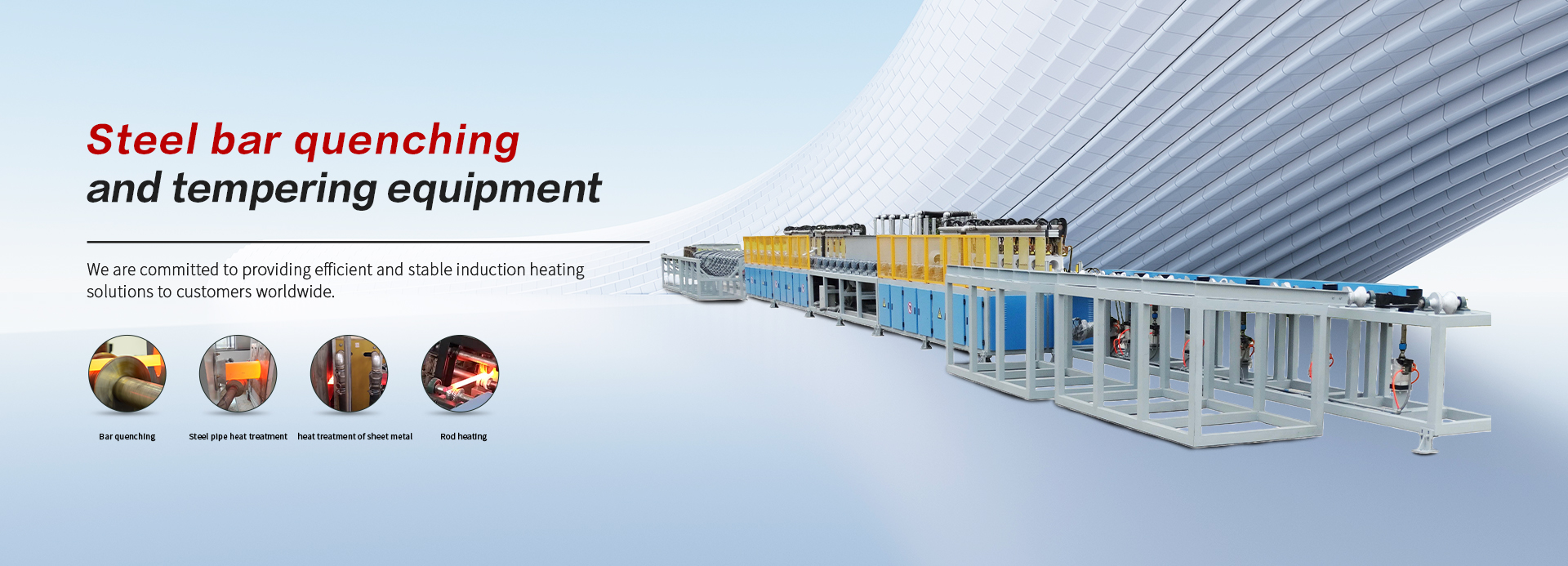
Briseadh Téamh Mear: Athshainíonn Trealamh Téimh le haghaidh Rollta Slat Cruach Táirgeadh Ard-Éifeachtúlachta
2025/11/03
Sa tionscal rollta cruach atá iomaíoch go dian, tá éifeachtúlacht agus cáilíocht mar dhá cholún ratha. Mar chroí-chomhpháirt ag deireadh tosaigh an phróisis rollta, déanann feidhmíocht Trealamh Téamh le haghaidh Steel Rod Rollingdirect a chinneadh éifeachtacht rollta ina dhiaidh sin, cáilíocht an táirge, agus costais táirgthe. Sa lá atá inniu ann, le cumasú na teicneolaíochta téimh ionduchtúcháin, tá téitheoirí rollta slat cruach nua-aimseartha ag baint amach "téamh tapa" mar nach raibh riamh roimhe - ag socrú luas nua le haghaidh rollta éifeachtach agus a bheith ina fhórsa tiomána i gcur chun cinn teicneolaíochta an tionscail chruach.
Dúshlán Téamh Traidisiúnta: Dúshlán le hÉifeachtúlacht agus Cáilíocht
San am atá caite, bhí rollta slat cruach ag brath go príomha ar mhodhanna téimh traidisiúnta mar foirnéisí guail, foirnéisí ola, nó foirnéisí friotaíochta. Cé gur chomhlíon na modhanna seo na bunriachtanais táirgthe, léirigh siad roinnt teorainneacha freisin.
Ó thaobh na héifeachtúlachta, bhí an téamh traidisiúnta mall. Mar shampla, d'fhéadfadh go dtógfadh foirnéis guail roinnt uaireanta an chloig - nó fiú níos faide - ó adhaint go dtí an teocht rollta idéalach a bhaint amach. Ní hamháin gur chaith sé seo am táirgthe suntasach agus laghdaigh sé úsáid trealaimh ach freisin mhoilligh sé an líne rollta iomlán, rud a fhágann go raibh sé deacair freastal ar éilimh an mhargaidh maidir le seachadadh tapa. Ina theannta sin, is minic go raibh róthéamh nó tearcthéamh logánta mar thoradh ar easpa rialaithe teochta beacht, rud a d'fhág go raibh micreastruchtúir míchothroma ann a chuir isteach ar cháilíocht an táirge.
Maidir le húsáid fuinnimh, bhí foirnéisí traidisiúnta mí-éifeachtach le rá. Cailleadh cuid mhór den teas ginte don timpeallacht máguaird, agus bhí rátaí úsáide fuinnimh foriomlána idir 30% agus 50% de ghnáth. Ní hamháin gur chuir an neamhéifeachtúlacht seo amú fuinnimh agus d'ardaigh costais táirgthe ach tháirg sé leibhéil arda truailleán freisin - mar dhé-ocsaíd charbóin agus dé-ocsaíd sulfair - ag cruthú guaiseacha comhshaoil tromchúiseacha agus ag titim faoi bhun caighdeáin inbhuanaitheachta nua-aimseartha.
Ardú Téamh Ionduchtúcháin: An Teicneolaíocht Taobh thiar de Rampaí Mear-Teocht
Tá teacht chun cinn na teicneolaíochta téimh ionduchtaithe tar éis athrú réabhlóideach a dhéanamh ar Threalamh Téimh le haghaidh Rollta Slat Cruach. Bunaithe ar phrionsabal an ionduchtaithe leictreamaighnéadach, gineann téitheoirí ionduchtaithe sruthanna eddy ar dhromchla an tslat chruach nuair a bhíonn sruth ailtéarnach ag sreabhadh tríd an gcorna ionduchtaithe. De réir mar a thagann na sruthanna seo ar fhriotaíocht leictreach an ábhair, táirgeann siad teas Joule, ag téamh an tslat go tapa ón taobh istigh.
I gcomparáid le modhanna traidisiúnta, cuireann téamh ionduchtúcháin buntáiste iontach ar luas téimh. Is féidir leis slata cruach a ardú go dtí an teocht rollta inmhianaithe laistigh de nóiméid - roinnt uaireanta níos tapúla ná foirnéisí traidisiúnta. I gcás slata le trastomhas níos lú, is féidir le córais ionduchtaithe teochtaí a ardú ó chomhthimpeallach go dtí os cionn míle céim Celsius i nóiméid amháin. Giorraíonn an téamh tapa seo an t-am ullmhúcháin go mór, rud a ligeann do shlatanna dul isteach sa chéim rollta níos tapúla agus treisíonn sé tréchur iomlán na líne táirgeachta.
Tá feabhas ar chruinneas teochta ag córais téimh ionduchtaithe freisin. Déanann ardchórais rialaithe monatóireacht agus coigeartú leanúnach ar pharaiméadair téimh i bhfíor-am, ag cinntiú dáileadh teocht aonfhoirmeach ar fud an tslat chruach. Laghdaíonn an cruinneas seo strus inmheánach agus feabhsaítear sláine an ábhair. Ag an am céanna, baintear amach rátaí úsáide fuinnimh chomh hard le 80%-90% sa teicneolaíocht ionduchtaithe, rud a laghdaíonn go mór tomhaltas fuinnimh agus costais oibriúcháin.
Torthaí Cruthaithe: Déghnóthachain in Éifeachtúlacht agus Cáilíocht Táirge
In iarratais sa saol fíor, tá tionchar an téimh ionduchtúcháin suntasach. Mar shampla, bhí amanna fada téimh, ard-ídiú fuinnimh agus cáilíocht táirgí éagobhsaí ag monaróir mór cruach a bhí ag brath ar fhoirnéisí guail tráth. Tar éis glacadh le Trealamh Téamh le haghaidh Steel Rod Rolling faoi thiomáint ag an teicneolaíocht ionduchtaithe, bhí an claochlú láithreach.
Tháinig feabhas mór ar éifeachtúlacht táirgthe. Le ardú teochta tapa, shroich slata cruach ullmhacht rollta i bhfad níos tapúla, agus luathaíodh luas an líne táirgeachta. Mhéadaigh aschur laethúil na cuideachta ó na céadta tonna go dtí go maith os cionn míle tonna, rud a shásaíonn éileamh méadaitheach an mhargaidh. Tháinig ardú freisin ar rátaí úsáide trealaimh, rud a laghdaigh am díomhaoin agus costais dímheasa.
Tháinig feabhas den chineál céanna ar cháilíocht an táirge. Rialú teochta aonfhoirmeach le linn téimh tháirgtear slata cruach le struchtúir inmheánacha comhsheasmhacha agus airíonna meicniúla feabhsaithe. Léirigh na táirgí rollta bailchríoch dromchla den scoth agus cruinneas tríthoiseach, ag freastal ar riachtanais na gcliant ard-deireadh. Mar thoradh air sin, neartaigh iomaíochas margaidh na cuideachta, agus lean a méid ordaithe ag fás.
I dTreo Todhchaí Níos Glaise: Cosaint Comhshaoil agus Inbhuanaitheacht
Seachas éifeachtúlacht agus cáilíocht, ailíníonn téamh ionduchtúcháin go foirfe le spriocanna na déantúsaíochta glas. Murab ionann agus modhanna teasa dócháin-bhunaithe, níl aon phróiseas dóite díreach i gceist le Trealamh Téimh le haghaidh Rollta Slat Cruach agus mar sin ní astaíonn sé cainníochtaí móra truailleán mar CO₂ nó SO₂. Déanann sé seo uirlis éifeachtach chun truailliú aeir a laghdú agus chun cáilíocht fhoriomlán an chomhshaoil a fheabhsú.
Ina theannta sin, tacaíonn a ardéifeachtúlacht fuinnimh le forbairt inbhuanaithe trí spleáchas ar bhreoslaí iontaise a laghdú agus brúnna soláthair fuinnimh a mhaolú. Feidhmíonn córais ionduchtaithe freisin le leibhéil ísle torainn, rud a íoslaghdaíonn a dtionchar ar an timpeallacht máguaird agus ag tacú le cleachtais táirgthe atá neamhdhíobhálach don éiceolaíocht.
“Mear Ceannais Téimh: Athsainmhíníonn Trealamh Téimh le haghaidh Rollta Slat Cruach Táirgeadh Ard-Éifeachtúlachta.”
D'éirigh le comhtháthú na teicneolaíochta téimh ionduchtúcháin i Trealamh Téamh le haghaidh Steel Rod Rolling aghaidh a thabhairt ar na dúshláin atá ann le fada a bhaineann le héifeachtúlacht íseal, cáilíocht neamhréireach, tomhaltas ardfhuinnimh, agus truailliú comhshaoil a bhaineann le téamh traidisiúnta. Tá buntáistí suntasacha eacnamaíocha agus éiceolaíochta curtha ar fáil aige do mhonaróirí cruach. De réir mar a leanann an teicneolaíocht ag forbairt agus na córais ionduchtaithe ag dul chun cinn níos mó fós, ní bheidh a ról i dtiomáint an tionscail chruach i dtreo forbartha ardéifeachtúlachta, glasa agus inbhuanaithe ach ag fás níos láidre.